
Wallets & Payments

Choose a business wallet that fits your controls

Compare custody models, signing authority and payment rails before you move company funds on-chain.

A finance team member at a wooden desk reviewing a hardware wallet and a laptop showing a payment dashboard, with a second person pointing at a printed approval sheet.

What You Get From the Handbook

Plain-language guidance on wallets, contracts and payments, written for people running an actual business.

01

Separate business and personal funds

A company wallet is an accounting boundary, not just a second address. The handbook covers who holds keys, how approval rights are split, and why mixing personal and business balances makes bookkeeping and tax reporting harder than it needs to be.

Read wallet basics


Two labeled hardware wallets on a light wood desk beside a paper ledger and a pen

02

Know what a contract will do before you sign it

Smart contracts execute exactly what they encode, including the parts you did not read. Learn which functions to look for, what upgrade and pause permissions mean for your counterparty risk, and when to ask for an audit report instead of a promise.

Review contract checks
Printed contract pages with highlighted clauses next to a laptop showing a code editor

03

Pay suppliers without guessing at fees

Crypto payments fail for boring reasons: wrong network, missing memo, an exchange that does not credit the token you sent. The handbook walks through confirming network and token before sending, keeping a payment record that survives an audit, and setting a policy for who can approve transfers.

Finance desk with a phone showing a payment confirmation, a receipt tray and a calculator
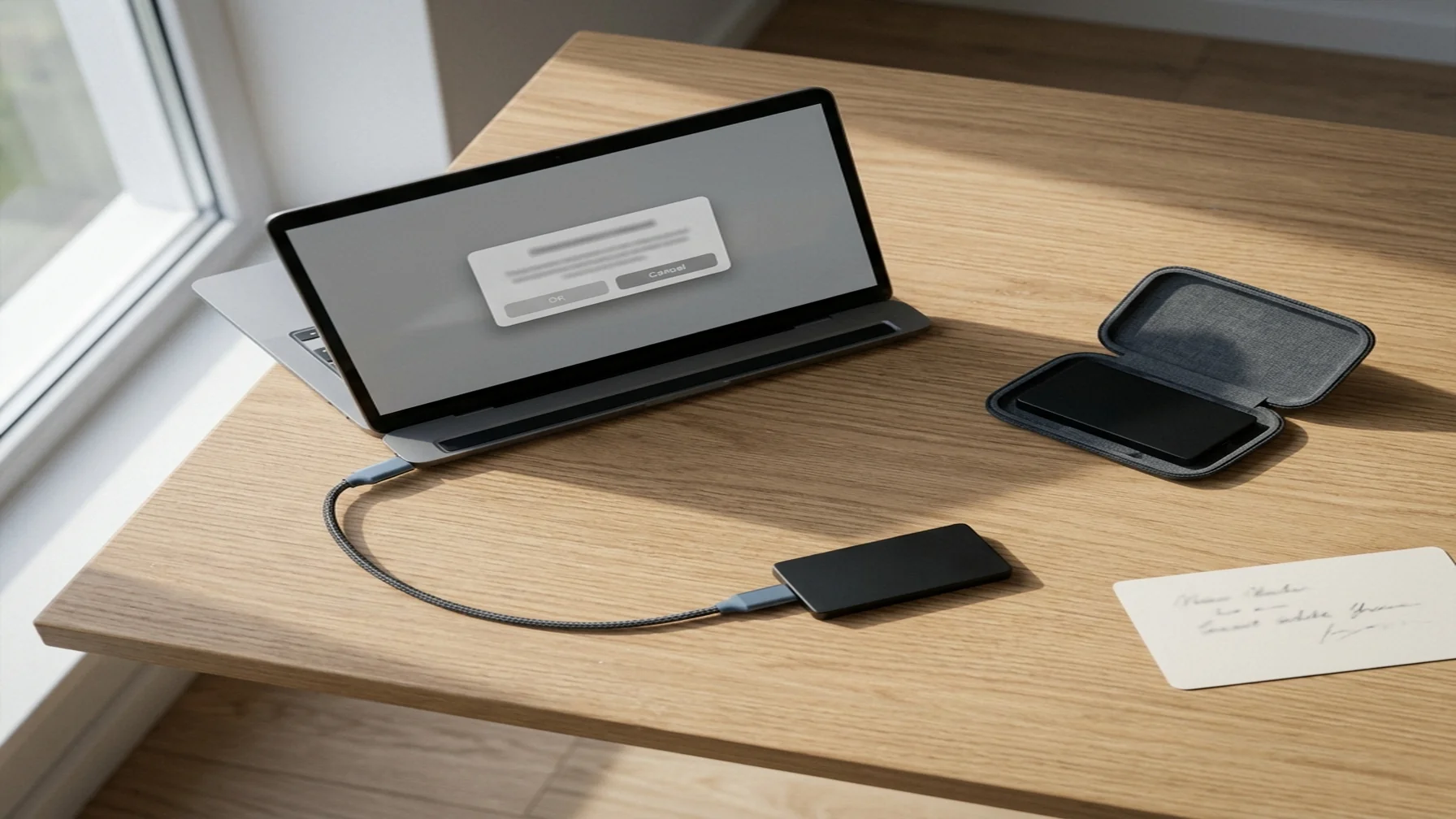
A desk with two hardware wallets, one connected by cable to a laptop showing a contract approval screen, the other stored in a closed case beside a paper backup card.

Wallets & Payments

Separate the wallet that signs from the one that holds

Most business wallet incidents start with one key doing two jobs: approving contracts and storing funds. Splitting those roles limits what a single compromised device can reach.

  • Keep a cold wallet that only receives and holds funds
  • Use a separate signer for contract approvals and daily payments
  • Fund the signer from the cold wallet in small amounts
Read the wallet setup guides

Start With Wallets, Not Tokens

A business wallet is an operating account with its own custody rules, signer policy and payment limits, so pick the setup before the first payment.

Two people at a wooden desk reviewing a hardware wallet connected to a laptop, a printed approval sheet beside the keyboard, daylight from a side window

Custody and signer policy

Decide who can move funds and how many approvals a transfer needs. A single-key wallet is fast but concentrates risk in one person; a multisig spreads approval across signers at the cost of slower payments.

Wallet setup basics
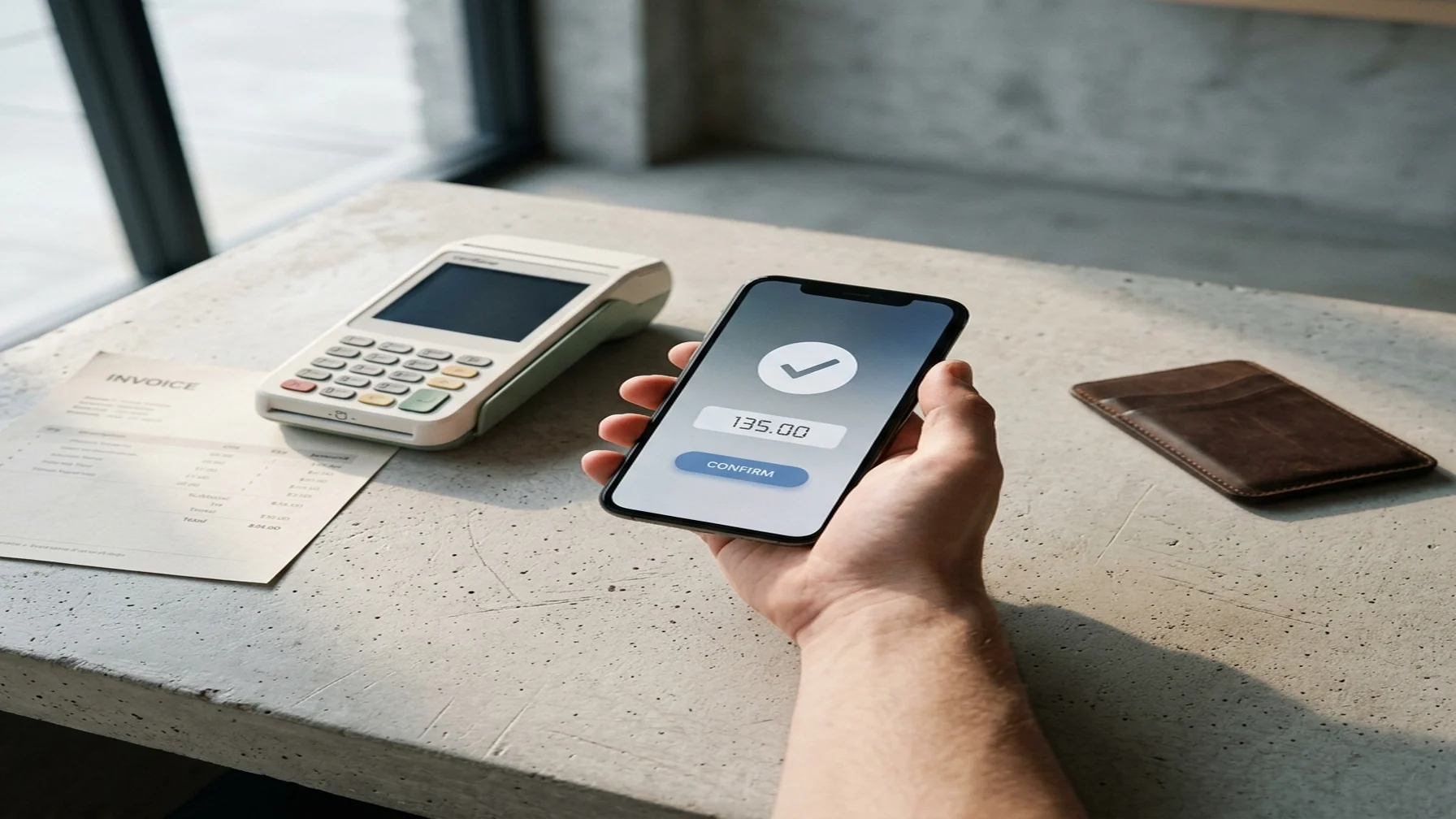
Close-up of a phone showing a payment confirmation next to a paper invoice and a card terminal on a concrete counter

Payment rails and settlement

Stablecoin transfers settle in minutes and keep an auditable on-chain record; card and bank rails still win on chargebacks and familiar reconciliation. Many businesses run both and route by counterparty.

Payment options
Engineer at a standing desk reading contract code on a monitor, a notebook with hand-drawn flow arrows open below, dim room lit by the screen

Contracts you can audit

Before a smart contract holds funds, check who can pause it, how it is upgraded and whether the logic was reviewed. An audited contract with a clear admin key beats an unaudited one with a friendlier interface.

Smart contract checks

Wallets & Payments

Your wallet is an operating account, not a vault

Business wallets hold working balances and sign contracts daily, so access rules and spending limits matter more than cold-storage habits.

Read wallet and payment guides

Newsletter

Get one practical Web3 note each week

Short written briefings on wallet setup, payment flows and contract terms, written for people running a business rather than trading tokens.

We use your address only to send the newsletter. Unsubscribe from any issue. No sponsor mail sent in place of the briefing.